
Moving out can be stressful enough without worrying about the piles of rubbish you will leave behind. Proper rubbish removal is a critical part of end-of-lease cleaning, as you need to keep the property spotless to secure the full return of your rental bond.
Landlords and property agents expect the place to be clean and clutter-free. Failing to do these can result in deductions from your deposit, additional cleaning and removal charges, or even black marks on your rental record!
Careful planning and booking a professional rubbish removal service helps you avoid the chaos of last-minute trips to the tip, saving yourself from hours of heavy lifting. An expert team will help you leave your property spotless, secure your bond, and enjoy a stress-free move.
Common Rubbish You’ll Need to Clear Before Moving Out
At the end of your lease, “rubbish” is not just piles of garbage. It’s anything your landlord doesn’t want you to leave behind. It can be bulky furniture, old clothes, or an old mattress. Leaving these things behind risks losing your bond and delaying your move.
Here are the most common types of rubbish that you must remove before your final inspection.
Old Furniture
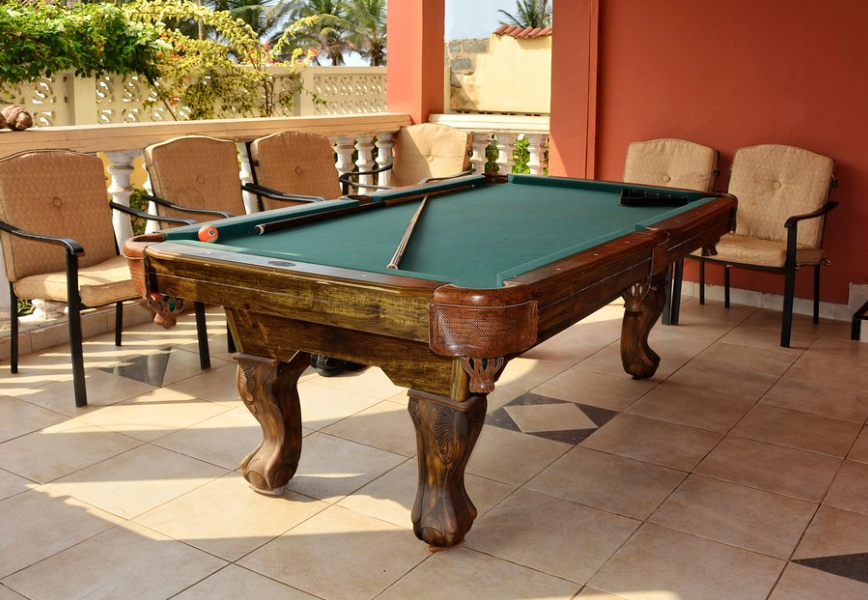
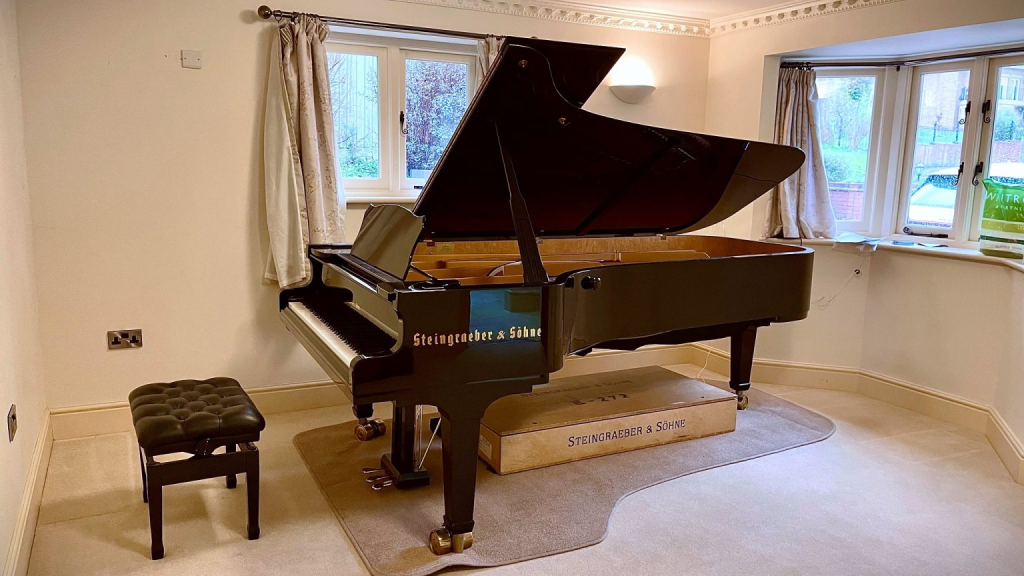
Bulky items, such as sofas, chairs, dining tables, cabinets, and wardrobes, are difficult to move. Landlords expect you to remove old furniture to ensure the property is clean and empty.
Mattresses
One red flag during inspections is a mattress left behind. Mattresses are not only heavy but also costly to dispose of. These must always be hauled separately from regular garbage.
Appliances
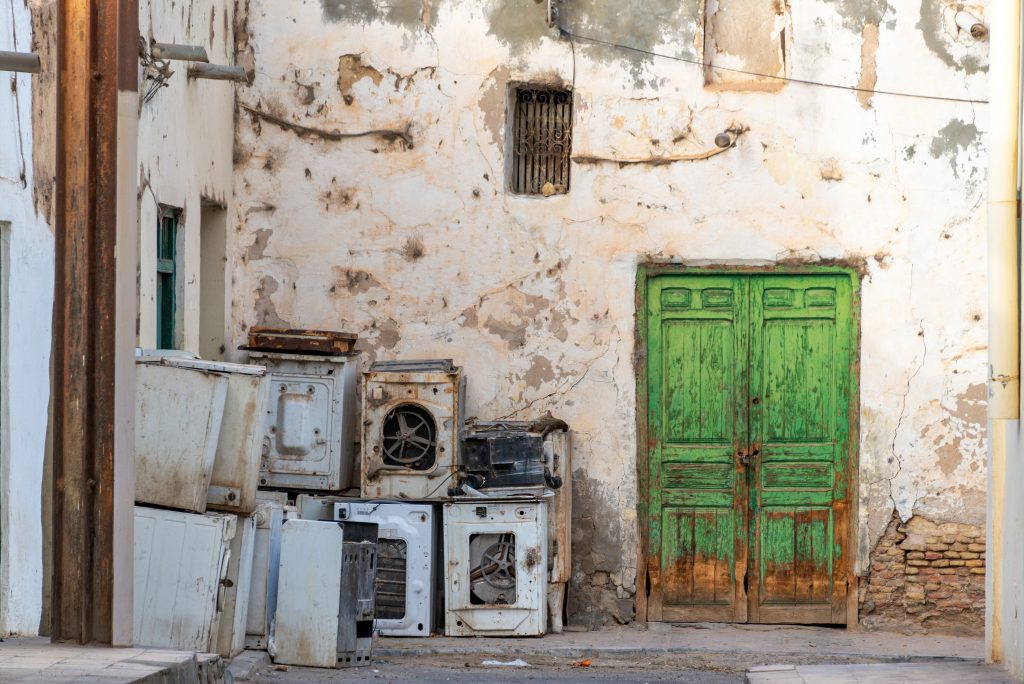
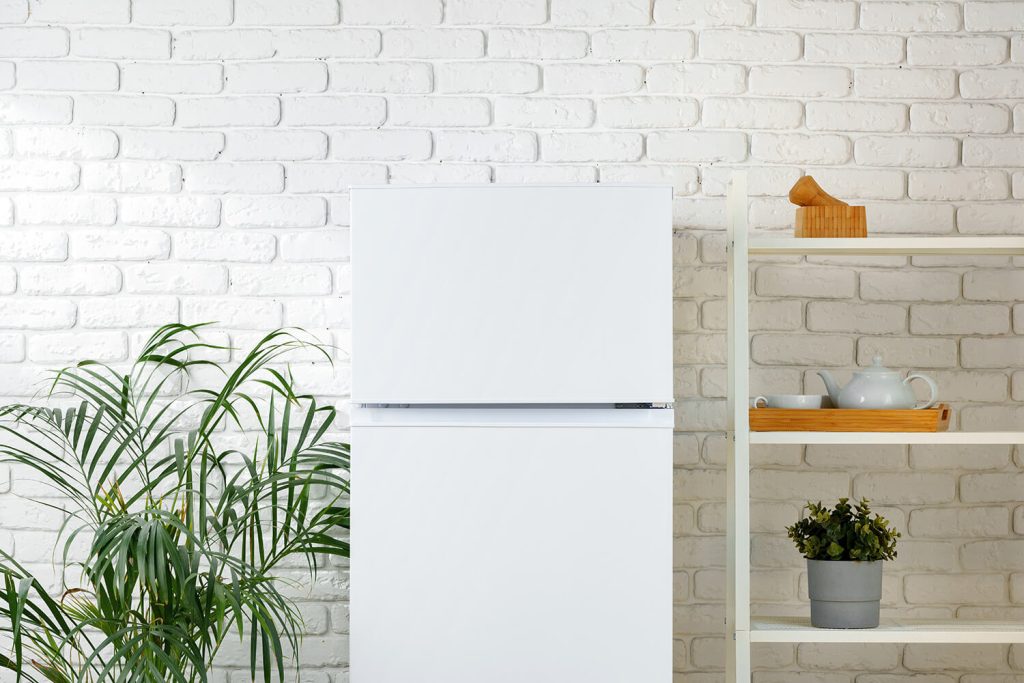
Refrigerators, washing machines, microwaves, and other white goods should be cleared away before inspection. Leaving these behind without your landlord’s permission counts as rubbish.
Unwanted Clothes and Boxes
Old clothes, shoes, and other personal items, including leftover moving boxes, are considered trash. These items must go before the inspection, or you’ll risk deductions from your bond.
Garden Waste
Yard cuttings, clippings, and tree branches cannot be left in bins or scattered around in the lawn or garage. All garden waste must be properly removed to ensure the entire area is ready for inspection.
Broken or Damaged Items
Broken items, such as shelves, electronics, lamps, and toys, are considered rubbish. If these items are not usable, they must be disposed of properly.
Why Rubbish Removal Matters for Your Bond Refund
Landlords and property managers have strict expectations regarding the refund of a renter’s bond. Leaving rubbish or any unwanted items can result in deductions, even if the rest of the property is spotlessly clean.
Remember these requirements at the end of your lease:
- Premises must be empty – there must be no furniture or personal items.
- All trash must be removed – this includes garden waste, broken items, and boxes.
- Interior and exterior surfaces must be clean – clutter or junk can prevent you from cleaning the property thoroughly.
- Trash bins must be empty and clean – overflowing bins can be one of the reasons for failed inspections.
- No dumping trash in common areas or kerbside – improper waste disposal can lead to fines and breach notices.
Failing to meet these requirements means your landlord will arrange removal of your rubbish, and the costs will be deducted from your bond. This could be higher than the cost of disposing of your waste yourself.
Booking professional rubbish removal ensures the property is left clean and empty. It ensures compliance and is ready for inspection, giving you the best chance of getting a full bond refund.
How Rubbish Removal Pricing Works
The cost of rubbish removal in Sydney is not a one-size-fits-all. Each quote considers several factors, such as how much waste you have, what type of waste, how easy it is to access, and how much labour is required to haul it.
Let’s break these variables down:
Volume: Truck Load Size
Most rubbish removal services charge by cubic metres or by the space your waste occupies in the truck.
Here is a way to visualise it:
- ¼ Truck Load (≈ 3-4 m³) – a small bedroom’s worth of rubbish
- ½ Truck Load (≈ 6-8 m³) – a one-bedroom apartment’s trash
- Full Truck Load (≈ 12-15 m³) – bulky items from an entire household
Type of Material
End-of-lease rubbish is usually made of the following materials:
- General Household Junk – items like toys, clothes, and furniture are priced at standard rates.
- Green Waste – This waste is easier to dispose of as it may be mulched or composted.
- Mattresses and Appliances – these require special disposal, thus attracting surcharges.
- E-Waste – computers, televisions, and electronics also require regulated recycling techniques.
- Hazardous Items: rubbish such as chemicals, asbestos, and gas bottles are not accepted in most facilities and require specialised disposal.
Weight of Rubbish
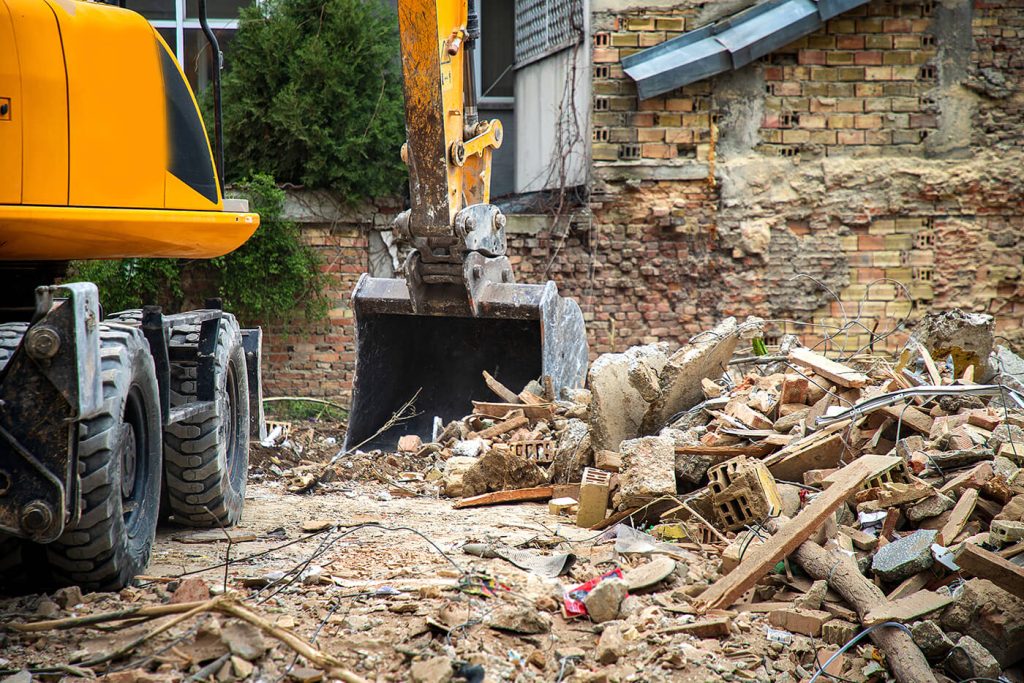
Heavy waste, such as bricks, soil, and concrete, is charged by weight per tonne rather than by volume. A half-truckload of rubble may weigh as much as a full truckload of general waste, which typically increases disposal costs.
Access to the Property and Location
Trash that’s ready for pickup along driveways and outside garages is cheaper to remove. However, those located in high-rise apartments with steep stairs and complex parking add time and labour, increasing costs.
Labour Required
Professional rubbish removal quotes usually include 1 to 2 experts to do the lifting, loading, and cleanup. Hauling jobs that need extra team members or extended hours will definitely cost more.
Council Cleanup vs. Professional Rubbish Removal
Local council cleanups are free but limited to a few times a month, with strict rules on what you can leave and how much.
On the other hand, professional rubbish removal services are available on demand and accept almost all types of waste. The cost also includes labour to remove rubbish from your property. Choose professional removals for quick, flexible, and stress-free rubbish removal.
Choosing The Best Rubbish Removal Solution for Your Move
The right rubbish removal solution considers your timeline, the amount of rubbish you have, and how much effort you’re willing to put in.
Here is a breakdown of the three most common removal options: professional rubbish removals, skip bins, and Sydney council cleanups.
| Removal Option | Pros | Cons | Best For |
| Professional Rubbish Removal Services | Quick and convenient, available for same-day service. Price includes labour and accepts a wide variety of wastes. | More expensive than DIY removal options. The price varies according to volume, access, and type of trash. | Renters and busy individuals who want a stress-free and bond-friendly solution to rubbish removal. |
| Skip Bins | Flexible, you can keep the bin for several days. Ideal for large renovations or ongoing cleanups. | Needs council permits if the bin is placed on the street. You will do all the lifting and rubbish is limited to the bin size. | Renovations or projects where you need time to load waste gradually. |
| Council Cleanups | Free council service, ideal for small amounts of household rubbish. | Available in a limited time with limits on the amount and type of waste. Pickup dates are fixed and you cannot book last minute. | Households with light rubbish and those who can plan pickups ahead of time. |
Professional rubbish removal offers the best value. It’s reliable, stress-free, and ensures you get a full bond refund.
End of Lease Rubbish Removal FAQ
How much does it cost?
Prices for rubbish removal depend on the amount of waste, the type of waste, and access to the site. On average, expect to pay around $200 to $300 for a quarter truck; larger loads cost more.
Can you do same-day removal?
Yes. We can arrive at your property and remove residential waste, all on the same day. Simply call us before 10am to confirm your booking time.
What items can’t be taken?
Hazardous materials such as asbestos, fuel, chemicals, or gas bottles are not accepted because of legal and safety restrictions.
Can you remove furniture, mattresses, or appliances?
Bulky household items are the most commonly requested pickups, and rest assured that our team can handle them safely.
Do you provide receipts to agents/landlords?
Yes, you will receive an invoice or receipt, which you can present as proof of professional rubbish removal.
What happens to the rubbish after it’s collected?
Collected rubbish is taken to disposal facilities and recycling centres. Wherever possible, waste is repurposed or recycled to reduce impact on landfills.
Move Out with Confidence – Get Your Bond Back!
Planning your move-out in advance is the best way to avoid stress and keep your bond. From sorting rubbish early to hiring professional removalists, each step ensures your property is spotless and compliant with your rental lease.
Avoid last-minute stress or deductions in your bond because of leftover junk! Organise rubbish removal before end-of-lease inspections. At Aus Rubbish Removals Sydney, we make the move-out process simple with our fast service, transparent pricing, and no hidden charges.
Contact us today to get a free, no-obligation quote, and let our team handle the heavy lifting so you can move out with utmost confidence!