When the hot water tank starts to leak, or the water from the hot tap begins to discolour or smell weird, it may be time for a replacement. Updating your hot water tank ensures safety and efficiency, but removing and disposing of it can be a headache.
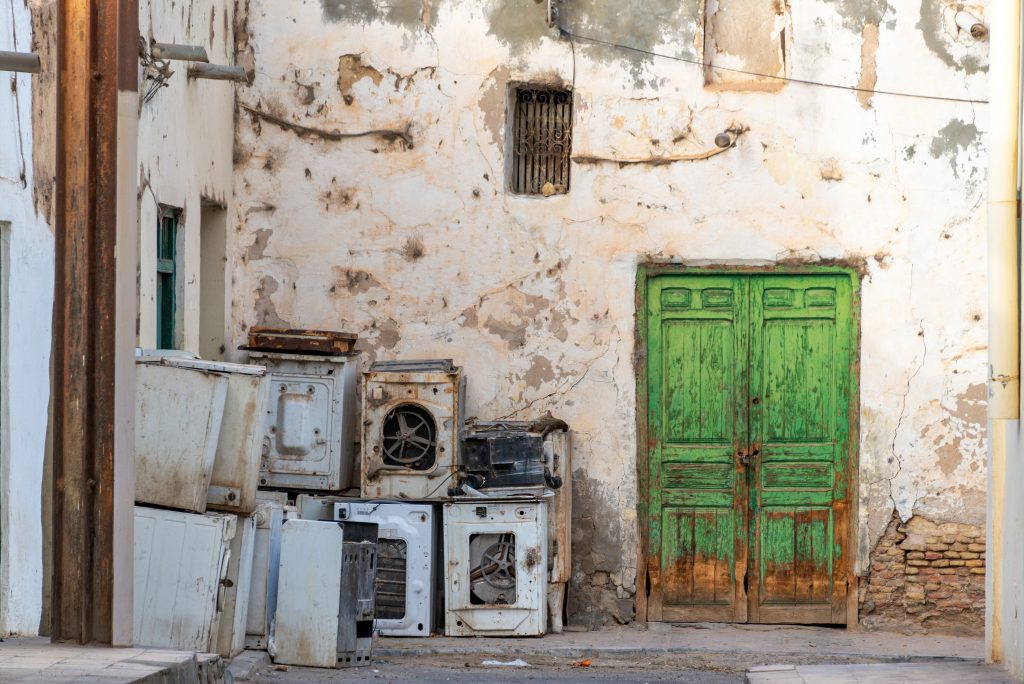
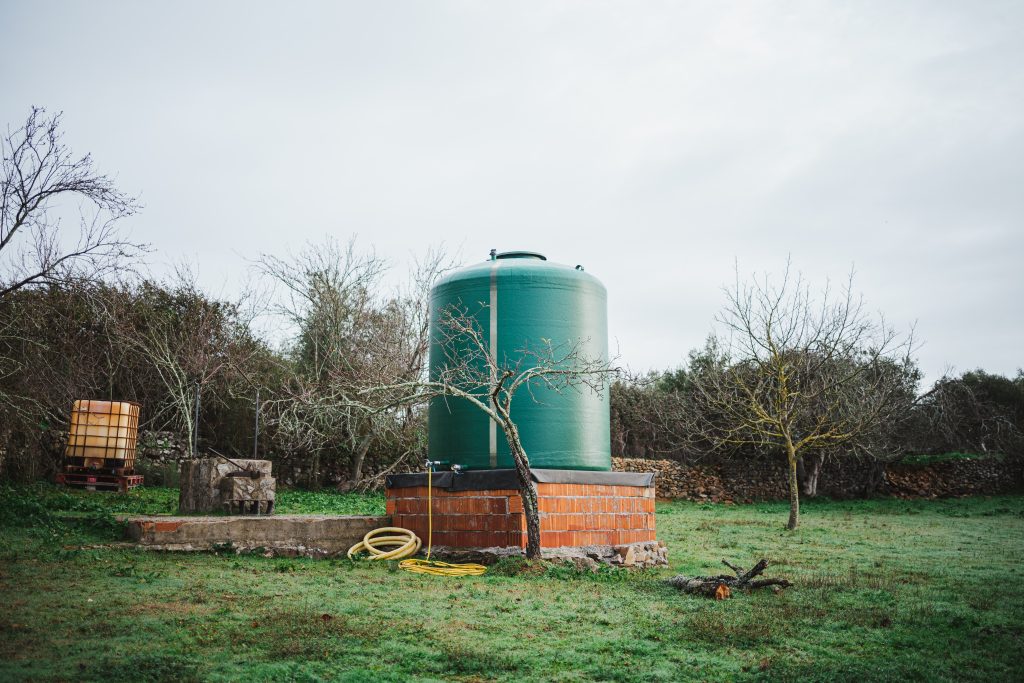
Water tanks are large and bulky, heavy, and often filled with sediment accumulated over years of use. Disposing of one is tricky: you can’t take it in the council bin or let it sit on the kerbside. Even the plumber who installed your new tank won’t take it, unless you pay a premium.
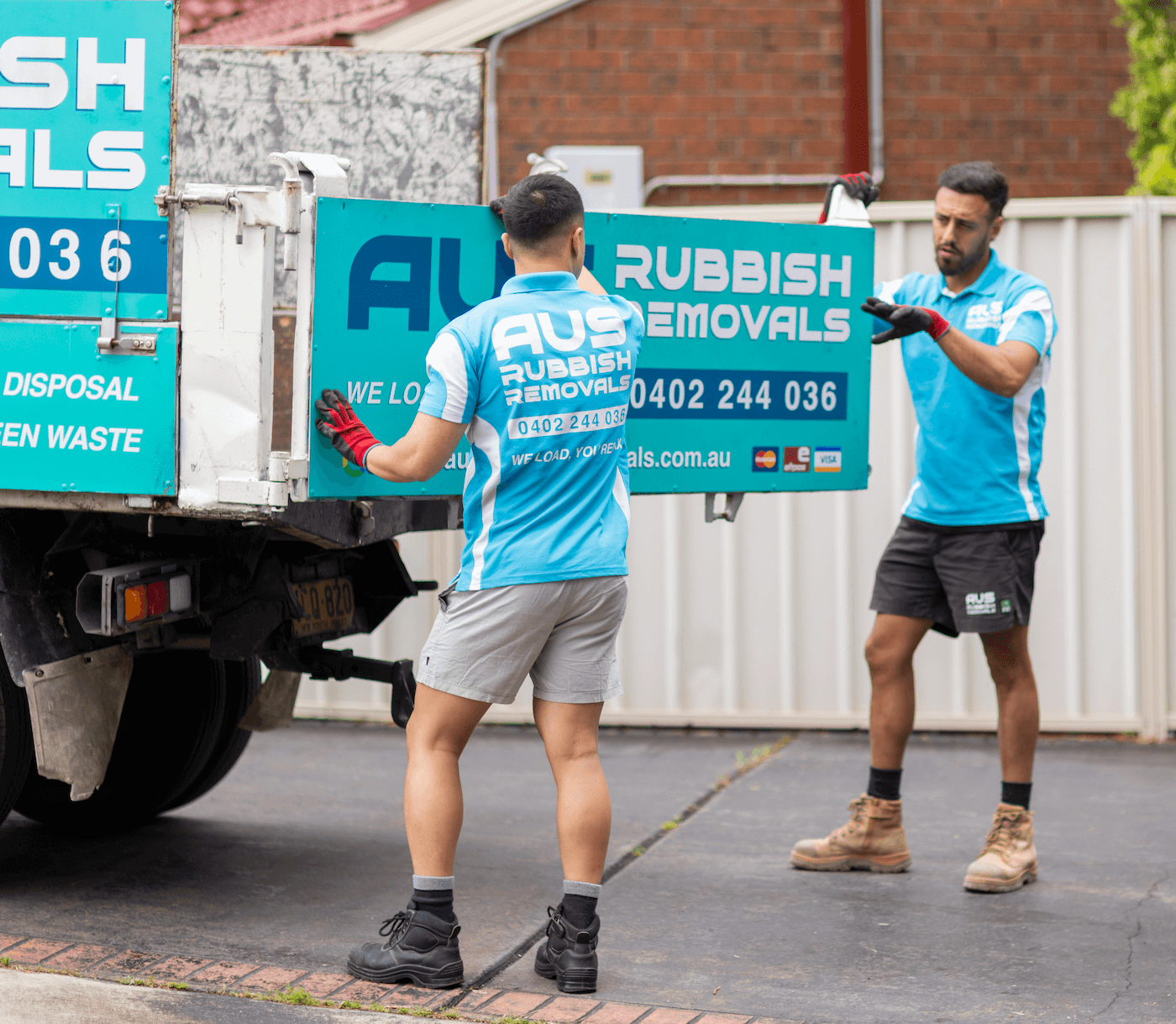
But you don’t have to wait to have your old hot water tank removed and disposed of before installing a new one. With Aus Rubbish Removal’s same-day rubbish removal services, we can load, haul, and recycle it for you. You’ll have that rusty old tank gone and your space ready for your new tank in no time.
Why You Shouldn’t DIY Hot Water Tank Removal
We don’t recommend taking the DIY route when removing a hot water tank. Not only is a tank heavy and bulky, but an old one may carry health and safety risks.
Weight & Sediment
The body of the water tank is already heavy, and an old one becomes heavier with the accumulation of sludge or sediment. This could make a tank feel like it weighs 100kg even though its actual body is lighter.
Sediment can quickly accumulate in water tanks, often faster in homes with water high in minerals. The WA Department of Health recommends inspecting water tanks every 2 to 3 years to check for sediment accumulation on the tank floor [1].
Overlooking sediment accumulation can lead to contamination, microbial growth, changes in water taste, odour, and appearance, and an increased risk of waterborne illnesses. Sediment can also reduce water tank capacity, damage filters and clog pipes, and damage water pumps and temperature sensors.
Safety Risks
Old hot water tanks are not just large and bulky; they also pose significant safety risks.
- Rusty Edges: Old tanks often have corroded and sharp exterior surfaces. Handling these can greatly increase the risk of tetanus.
- Residual Water: If an old tank is not drained properly, scalding-hot or contaminated water can spill throughout the area, including during transport.
- Awkward Size: Large tanks can be difficult to move, especially when navigating narrow sidewalks or climbing out of deep basements. You could end up with a broken back or crushed fingers if you’re not careful.
Vehicle Damage
It’s impossible to haul a 1.8m tank if you’re driving a hatchback or an SUV. You can damage your vehicle or, worse, be pulled over and fined for unsafe driving.
We Remove All Types of Hot Water Systems
At Aus Rubbish Removals, the sky is the limit for hot water tank removal and disposal. We take all types, makes, models, and sizes of water tanks.
Electric Storage Tanks
Electric hot water storage tanks are the most common in Australian homes. These tanks are large, with 80L–400L capacity. Removing a tank this large requires expertise and a vehicle capable of securely hauling it to the recycling centre.
Gas Storage Systems
These are gas-powered water tank units with capacities of 90L to 400L. The water heater unit may be installed internally or externally; thus, these tanks can handle weather extremes, space constraints, and limited ventilation. We have the experience and equipment needed to safely remove and haul gas hot water tanks.
Solar Hot Water Tanks
Hot water tanks for solar heating systems are typically installed on the roof, which poses safety and accessibility challenges. We can help you safely remove your old, faulty solar hot water tank with minimal disruption to your daily activities.
Heat Pumps
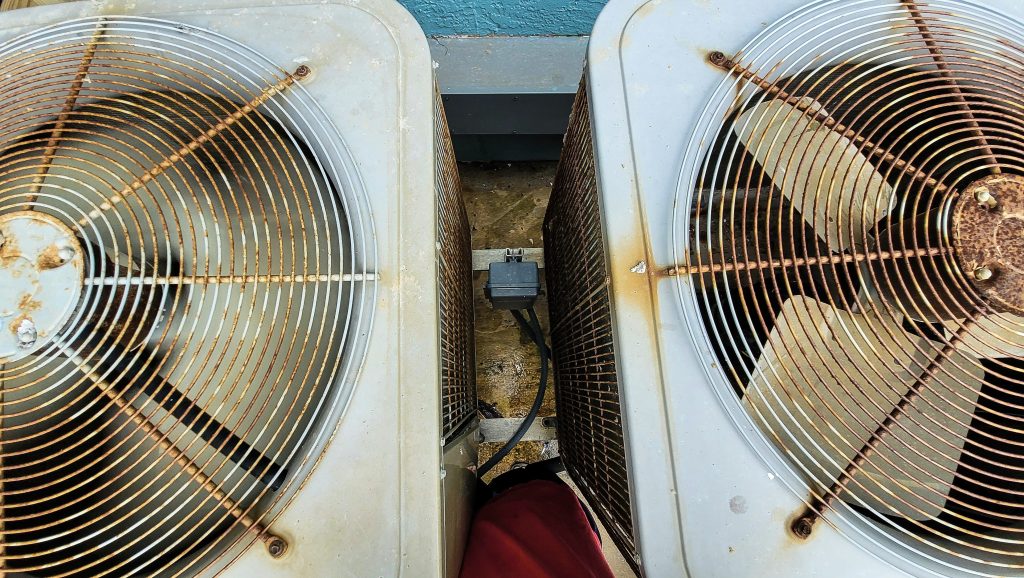
These bulky units with compressor fans generate heat to ensure an endless supply of hot water. Often, replacing a hot water tank also requires replacing the heat pump, and we can help dispose of your old heat pump along with your old tank.
Continuous Flow/Instant Units
These are smaller but efficient hot water heaters that provide on-demand, endless hot water [2]. Instant units are not connected to a tank but still need specialised attention during removal. The bodies of these units are made of metal and must be recovered before disposal.
Commercial Boilers
Commercial boilers are large, high-capacity units that generate hot water or steam for space heating in buildings such as hospitals, schools, and apartment complexes. These giants require hauling and disposal expertise that only Aus Rubbish Removals can offer.
Responsible Disposal: Recycling Copper & Steel
We dispose of hot water tanks in an eco-friendly manner. A water tank is a treasure trove of valuable, highly recyclable materials that should never be overlooked.
Material Value
Hot water tanks contain steel casings, insulation foam, and often copper piping or lining. Steel and copper are reclaimed and sorted, then taken to specialised recycling centres for further refinement or processing. Through recycling, we can reduce the need for new raw materials to produce products across industries.
The Process
Our process is simple: reclaim valuable materials and transport them to certified scrap metal yards for further processing. From these facilities
- Steel is shredded and melted down, ready to be taken to manufacturing plants to create new products.
- Copper is harvested from electrical components. This is highly recyclable and valuable, essential to making various industrial and electrical components.
- Insulation is disposed of responsibly to prevent environmental contamination.
We ensure the metal from water tanks doesn’t rust in landfills by taking it to our partner recycling centres for proper handling and processing.
How Our Removal Process Works
Our hot water tank removal process is easy and stress-free.
Step 1: Quote
Call us to have your tank removed and disposed of. We would appreciate it if you could send us a photo of your tank online, along with details such as the tank’s location (upstairs, on the roof, in the yard), accessibility (side yard or basement), and any other information that can help us assess the job.
Step 2: Pickup
We will arrive early for pickup. You may also call us for same-day pickup. Our team will arrive on-site with trolleys, equipment, and the manpower to get the job done quickly.
Step 3: Loading
We will safely navigate side passageways and entrances to get your old tank off your property.
Step 4: Recycling
We head straight to the recycling facility to have your tank processed and recycled safely.
Frequently Asked Questions
Q: Does the tank need to be disconnected first?
Yes, your hot water tank must be disconnected from the gas or electricity mains and the water mains before we arrive.
Q: Do I need to drain the water?
You need to reduce the tank weight and mess, so it’s best to drain the tank. But if you can’t let us know beforehand, so we can bring the right equipment for the job.
Q: Can you take the old copper pipes, too?
Yes, we take old copper pipes, renovation waste, and scrap metal when we come over to remove your old tank.
Q: How much does it cost?
The cost of removing a hot water tank depends on the tank size and level of access. Please call us for a free quote.
Book a Hot Water Tank Removal in Sydney Today
Don’t let a rusty old tank take up space in your yard. Call the experts for fast, safe water tank hauling; your old tank is guaranteed 100% recycled. We offer same-day recycling so you can free up space for a new and more efficient unit.
Do you need your old hot water system gone? Call Aus Rubbish Removals today on 0402 244 036 for fast, affordable tank disposal in Sydney.
References
[1] Department of Health – Water tanks on your property
[2] Australian Government Your Home – Hot water systems