

Yes, up to 80% of construction and demolition (C&D) waste is highly recyclable. These heavy materials, such as bricks, concrete, untreated timber, and scrap metal, can be crushed and repurposed into road base, mulch, or new building materials.
C&D waste accounts for a large share of Australia’s waste streams, with current figures reaching 26.8 million tonnes (Mt) [1].
Historically, a lot of this waste ends up in landfills, where they affect the environment, contaminates water sources, and impacts human health. But with the latest resource recovery technology, C&D waste is highly recyclable, turning common construction materials such as concrete, bricks, metal, and timber into new, usable products.
Let us help you understand how to recycle C&D waste, what can be saved, what must be disposed of, and how to do so responsibly in Sydney.
The Heavy Hitters: Highly Recyclable C&D Materials
A regular Sydney job site contains a massive amount of highly recyclable C&D materials:
Bricks, Concrete & Rubble
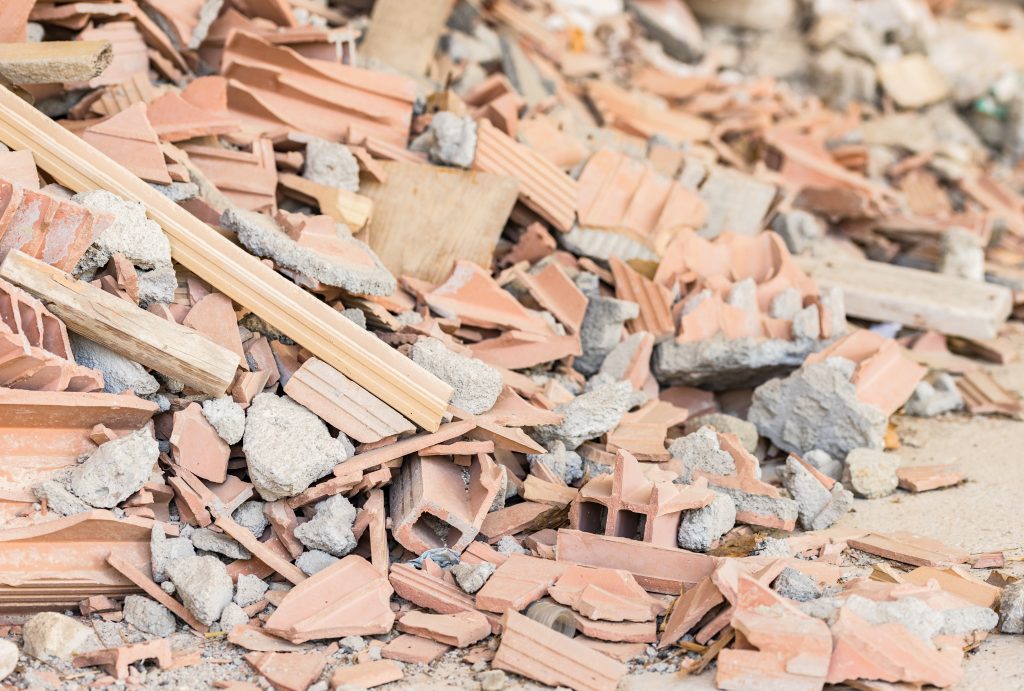
Mountains of bricks, concrete, and rubble accumulate after construction, renovation, or demolition projects. Instead of just letting these lie around and occupy your worksite, you can have them picked up and recycled. In specialised processing centres, these materials are placed in large industrial crushers to remove rebar while the resulting aggregate is used to make road base, driveways, and drainage gravel.
Scrap Metals
Scrap metal, such as steel framing, copper pipes, aluminium window frames, and wiring, is a major C&D waste stream. But instead of dumping these in landfills, where they contaminate the environment, they are taken to metal processing facilities, where they are melted down and repurposed to make new materials, all without losing their structural integrity.
Untreated Timber
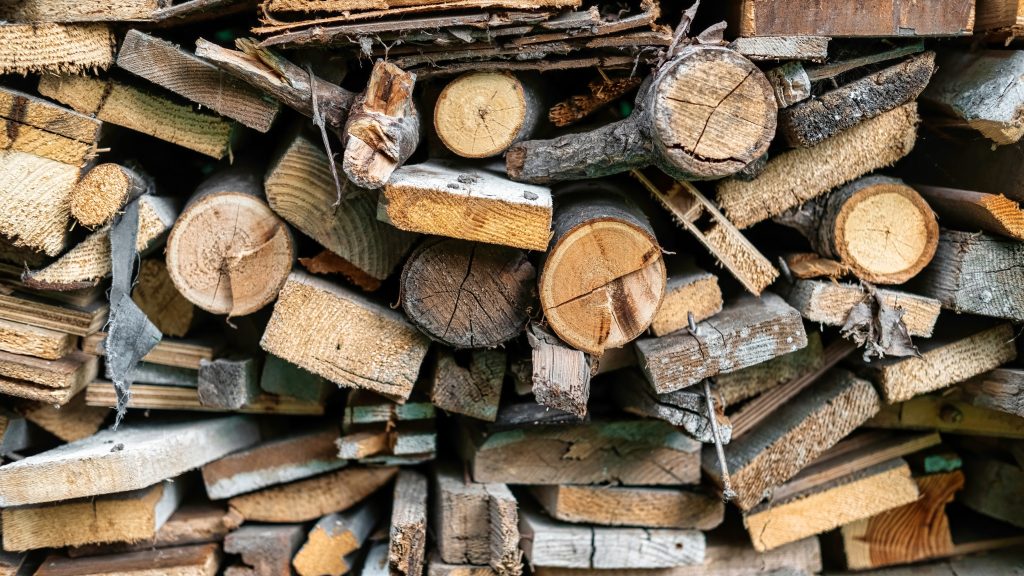
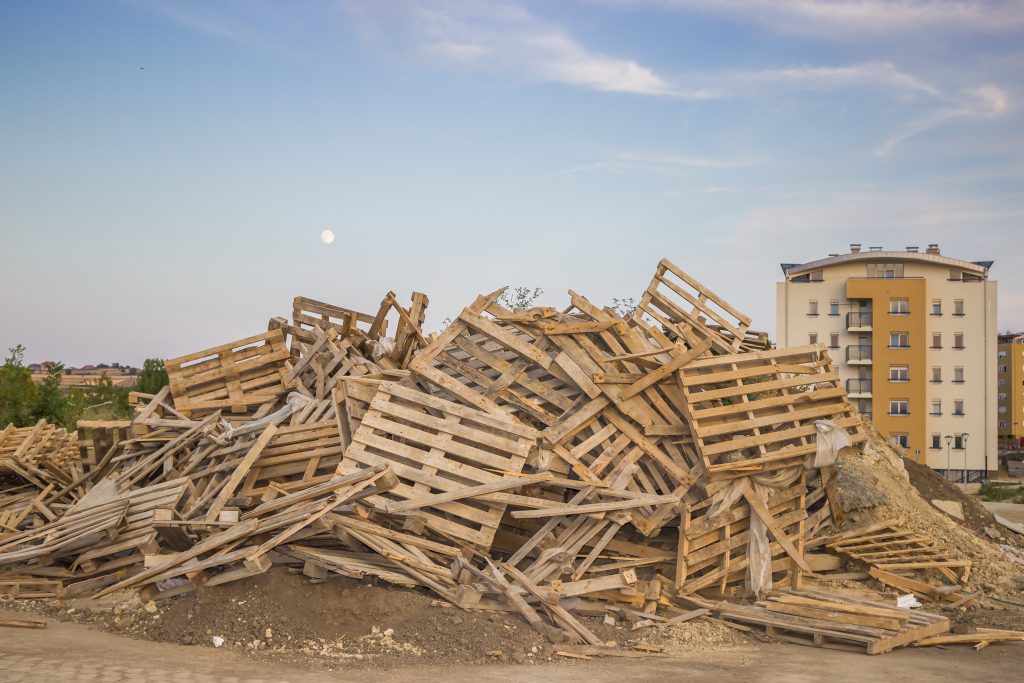
Untreated timber is recyclable. This is wood that has not received any treatment, including paint, compounds to prevent decay and pests, and has not undergone any drying treatments [2]. Untreated wood, such as raw pine framing and hardwood offcuts, is chipped to make landscaping mulch, animal bedding, or compressed to make particleboard.
Plasterboard (Gyprock)
Plasterboard is used as an internal wall and ceiling lining in residential and commercial construction [3]. Clean, unpainted plasterboard can have its paper backing removed and its gypsum core recycled. This is crushed for use in agriculture as a soil conditioner. Gypsum can also be used to make new plasterboards.
What Construction Waste Cannot Be Recycled?
While there are many types of recyclable construction waste, some cannot be recycled due to safety and compliance issues.
Hazardous Materials
Asbestos (fibro) is a strictly regulated construction material, and removal is handled by licensed professionals who bury it for safety. This is because asbestos fibres can irritate and scar lung tissue, leading to stiff, dysfunctional lungs [4]. Asbestos cannot be recycled and will contaminate entire loads if mixed.
Treated or Painted Timber
Wood treated with CCA (Copper Chrome Arsenate) or coated in lead-based paints must be separated from untreated timber. This wood waste cannot be mulched because it may cause chemical leaching that can harm the environment and human health.
Contaminated Soil
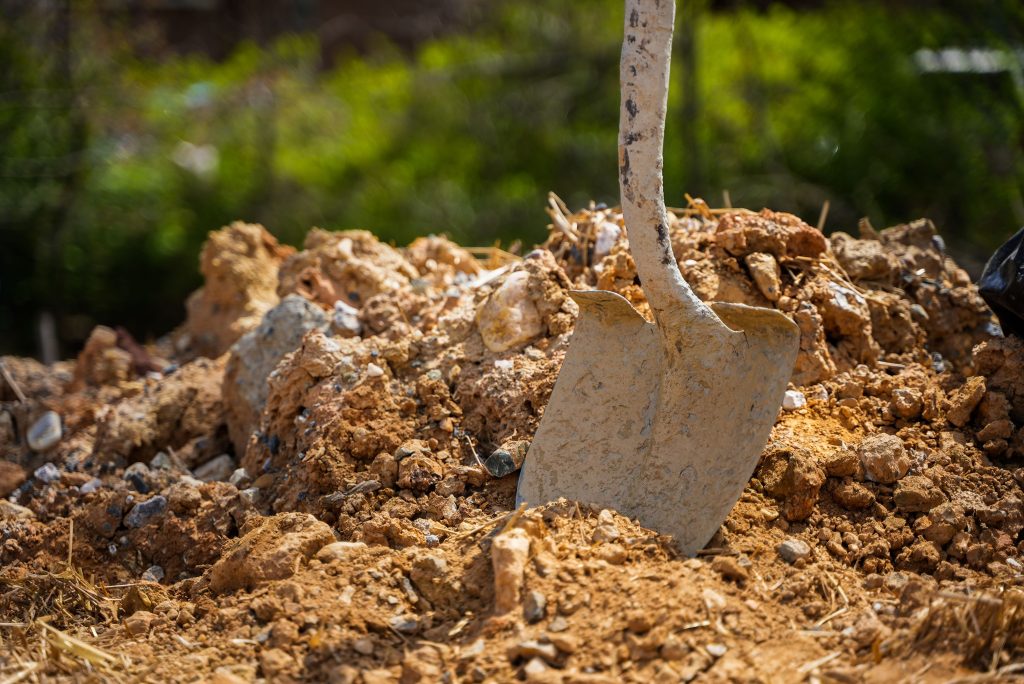
Excavation spoils mixed with oils, chemicals, or asbestos cannot be reused as clean fill Virgin Excavated Natural Material (VENM) [5]. Contaminated soils are remediated through leaching, venting or vapour extraction, composting, and other methods [6].
Certain Plastics and Mixed Glass
Some structural glass and PVC are recyclable at specialised facilities where they are sorted, cleaned, and processed to make new products. However, heavily laminated, tinted, or treated glass becomes general waste.
The Financial and Environmental Benefits of Recycling
It’s easy to just discard C&D waste in a bin or leave it alone until the project is finished. However, there are hidden benefits of recycling that should never be overlooked.
Environmental Impact
Diverting mountains of C&D waste from Sydney’s already full landfills can greatly reduce greenhouse gas emissions. Taking this waste stream to recycling centres also reduces the need to mine virgin materials, such as sand and gravel, for construction and renovation projects.
Financial Savings
The NSW Government imposes heavy fines for illegal dumping, discouraging companies and communities from engaging in it. Specialised resource recovery centres often charge less per tonne for clean, separated recyclable materials such as concrete and brick, making recycling the more cost-effective choice.
How Aus Rubbish Removals Makes Eco-Friendly Disposal Easy
Now that you know which construction waste is recyclable and which ones are not, it’s time for the next, and the most critical step: taking waste to the right facility.
It’s also easy to just hire a skip bin, dump the C&D waste, and be done with it. But this leads to:
- Mixed waste being dumped at the tip
- Additional costs, such as skip bin hire, can be expensive
- Workers diverting from their usual task just to load waste into the bin
- Multiple bins for massive amounts of waste, costing more money
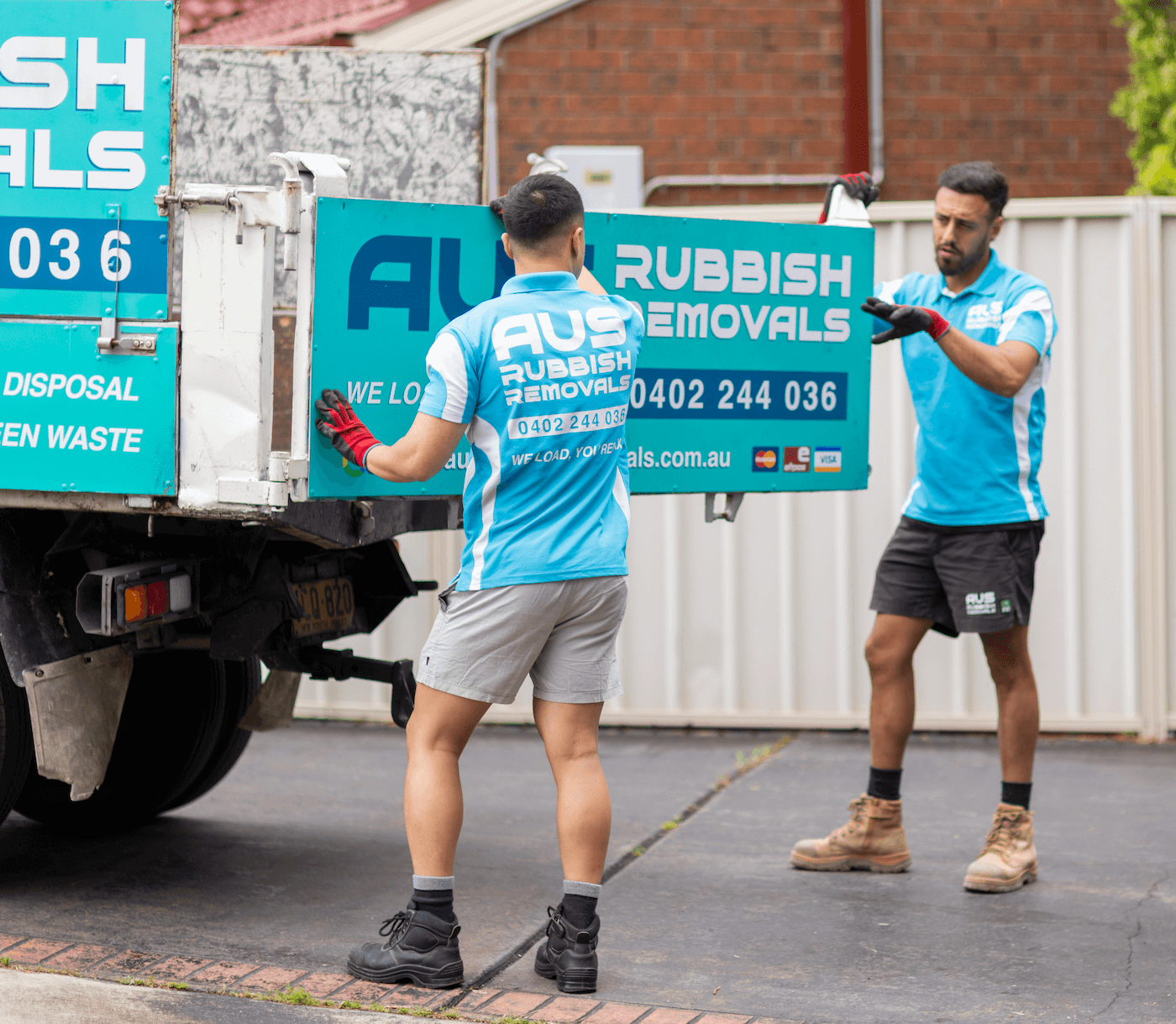
Avoid these hassles and let the professionals at Aus Rubbish Removals handle sorting, loading, and transporting C&D waste to specialised facilities. We can handle all the waste in the same day, ensuring rubbish removal is seamless, safe, and compliant.
Frequently Asked Questions
Do I need to separate my construction waste for you to recycle it?
While separating materials such as bricks from timber speeds up the recycling process, our team can handle mixed piles. We work with advanced sorting facilities that use magnets, screens, and manual labour to separate mixed C&D waste.
Is it cheaper to recycle concrete than to throw it in the general tip?
Yes, it is cheaper to recycle concrete than to throw it into the tip, because concrete is a heavy material and can incur massive landfill levy fees. Therefore, taking it to a specialised recycling facility is more cost-effective.
What happens to old roof tiles?
Old roof tiles, such as Terracotta and concrete roof tiles, are highly recyclable. Like bricks, they are crushed in large crushers and turned into usable aggregates for civil construction projects.
Do you take asbestos or hazardous construction waste?
No, we do not handle asbestos or toxic chemicals. You need a specialised, licensed hazmat removal team to ensure public safety.
Give Your Rubble a Second Life. Call The Experts.
Building and renovating shouldn’t cost the earth. With the right disposal methods, heavy C&D materials such as rubble, bricks, and cement can be recycled and find a second life. And with C&D waste removed, you can reclaim your worksite and restore safety for you and your team.
Keep your job site clean and your environmental footprint small. Call the eco-conscious team at Aus Rubbish Removals in Sydney today or book online for fast, affordable, and sustainable same-day construction waste removal across Sydney.
References
[1] Australian Government Department of Climate Change, Energy, the Environment, and Water – National Waste and Resource Recovery Reporting
[2] Science Direct – Wood Treatment
[3] Gyprock – Residential Plasterboard
[4] Mayo Clinic – Asbestos
[5] Confluence – Virgin Excavated Natural Material (VENM)
[6] Science Direct – Contaminated Soil