
Whether it’s a construction or a renovation, a cluttered work site isn’t just an eyesore; it’s a safety hazard and a productivity killer. While it’s easy to rent a skip bin to manage construction waste, it may not be sufficient to haul everything.
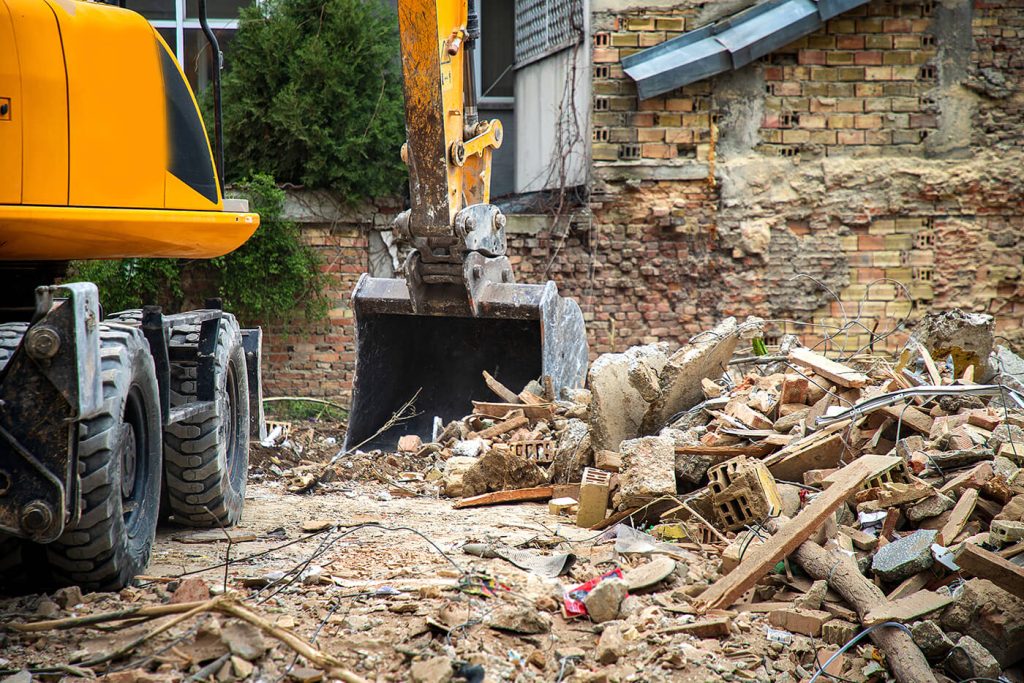
From heavy waste to sharp, bulky items, construction work generates a wide range of waste, some of it hazardous.

Source: [1]
A skip bin may not work for all types of construction waste, and it may not segregate them effectively. You need a professional waste control specialist to handle all kinds of construction waste and ensure it is disposed of properly and ethically.
Heavy Structural Waste (Concrete, Bricks, Tiles)
Every construction, renovation, or demolition project produces substantial structural waste, primarily concrete, bricks, and masonry products. A significant amount of roof tiles and ceramics are also part of this waste stream. These heavy items are difficult to remove, and if you’re using a skip bin, they can fill it quickly.
1. Concrete
Concrete is the most common building material and accounts for a significant share of C&D waste [7]. It is bulky and heavy, requiring specialised equipment for removal.
2. Bricks
Bricks and concrete blocks are C&D waste from demolishing older homes and buildings. Similar to concrete, these are challenging to remove and haul, especially in a skip bin.
3. Roof Tiles
Clay and ceramic roof tiles are also heavy waste materials generated during renovation and demolition work. Hauling these requires the time and expertise of a professional rubbish removal company.
4. Ceramics
Ceramics such as broken tiles, bricks, and porcelain are from renovation and demolition projects. When properly hauled and recycled, these materials can be used as an alternative to sand or aggregate in concrete.
Our team does all the heavy lifting for you. We hand-load these dense materials directly into our trucks, reducing back strain and ensuring compliance with weight restrictions for efficient recycling.
General Building Materials (Timber, Gyprock, Glass)
General building materials such as timber, gyprock, glass and metal (scrap and piping) make up a large percentage of C&D waste. Large materials occupy substantial space in skip bins, making waste management impractical.
The good news is that these can be reused or recycled, so you need an expert to ensure quick, efficient removal.
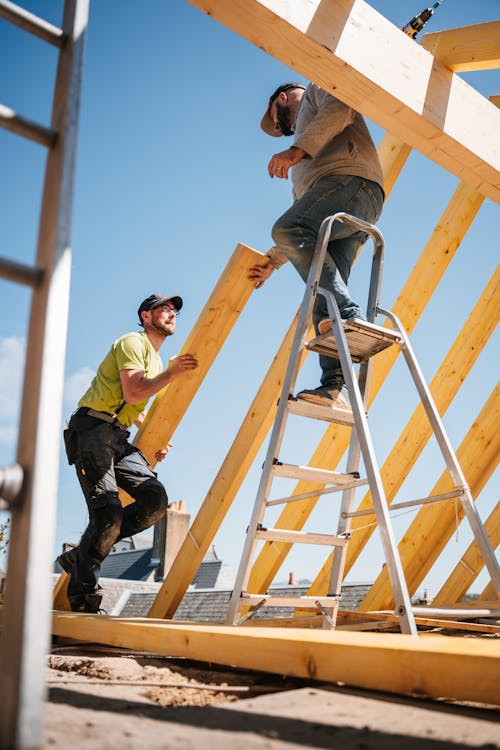
Source: [2]
5. Timber/Wood
Timber or wood, such as offcuts and frames, is generated from construction, renovation, and demolition activities. These may be contaminated with dangerous materials such as dyes or chemicals, making professional waste removal a good option.
6. Plasterboard/Gyprock
Plasterboard from drywall or interior installations can be dusty and fragile. You need a professional waste removal service to send these to recycling centres, where they can be turned into paper or gypsum.
7. Glass
Glass from windows, doors, and other interior areas is dangerous due to sharp edges and shards. These require careful handling and disposal to avoid injuries.
8. Metal
Scrap metal from structural elements, piping, and other metal components is produced from construction and demolition. These materials are recyclable but need efficient segregation and processing from general waste.
We break down bulky timber and carefully handle glass materials to maximise truck space and ensure safety. Our team can also assist with hauling and recycling scrap metal, keeping your worksite clear and free of waste.
Soft Strip & Interior Waste (Carpet, Insulation, Plastics)
Soft strip and interior construction waste are non-structural materials, such as fixtures and fittings from the interiors of buildings or homes. These materials are often high-volume but low-weight and can create a significant mess as they blow around the worksite.
9. Carpet/Flooring
Floor and ceiling covering waste is often generated during renovation and demolition projects. These accumulate quickly and require efficient waste removal to prevent accumulation and disruption of the worksite.
10. Insulation Batts
Insulation batts are pre-cut, flexible insulation covers made from fibreglass or mineral wool, designed to fit into building cavities such as walls, floors, and attics. These provide insulation against heat or cold but can become a major issue during demolition or renovation if not handled effectively.

Source: [3]
11. Plastic/Packaging
Plastics used to wrap and protect various new-construction materials also account for a significant share of C&D waste.
12. Old Cabinetry/Fittings
Kitchen units, internal doors, bathroom fixtures, and shelves removed during renovation or demolition are bulky and heavy, requiring professional help to remove from a worksite.
We quickly bag and bundle these loose items, clearing your floor space immediately so trades can continue working without tripping over debris.
Site Preparation & Environmental Waste (Soil, Green Waste, Sand)
Significant waste is generated during the first stage of construction, including soil, sand, sediment, and green and garden waste. You need to remove these waste materials promptly to ensure your project proceeds as planned, allowing your workers to pour concrete slabs quickly.
13. Excavated Soil/Dirt
Earth, rocks, and subsoil must be removed during site preparation and foundation digging. Skip bins won’t be enough to hold this waste. These could also pose risks to workers if the soil is contaminated with chemicals, petroleum, or other toxic substances.
14. Green Waste
Green waste is organic material excavated from the site, including trees, branches, leaves, grass, and bushes. These must be separated from other C&D waste, as they may be composted and mulched or used as a fuel source.
15. Sand/Sediment
Clean sand and sediment can be reused and recycled as aggregates. However, contaminated sand and sediment from waterways may require assessment to determine their disposal. Only a professional rubbish removal company can dispose of sand and sediment during site preparation.
We provide a fast turnaround for excavation waste, ensuring your site is levelled and ready for the foundation phase.
Why Fast Waste Removal is Critical for Your Project Timeline
In construction, a clean site is a fast site. The sooner you eliminate waste, the sooner you can meet your deadlines and complete your project.
Ordering a skip bin can take days or weeks to be delivered, and collection can also cause further delays. If you need another bin, it’s another day or week of waiting for a solution to your waste disposal problem.
Note that removing these 15 types of waste immediately can significantly reduce OHS risks, such as trips, falls, and cuts [6]. Create a safe, efficient worksite by hiring a fast rubbish removal service to dispose of these materials properly.
Don’t let a pile of rubbish stall your inspection. At Aus Rubbish Removals, we offer same-day service to keep your project moving.
Why Choose Aus Rubbish Removals Over a Skip Bin?
We can manage and remove construction waste more effectively than a skip bin can. We do all the heavy lifting, reducing your and your crew’s risk of injury.
We sort your waste so you don’t have to separate recyclables from non-recyclables. This ensures environmental compliance, avoids penalties, and keeps your worksite safe and efficient from day one through project completion.
What sets us apart from other companies is that we don’t want you to worry about the cost of C&D waste removal. Aus Rubbish Removals charges by volume rather than by bin size. You only pay for the waste we take. We will leave your worksite clean and clear, no waste left behind!
Conclusion & Call to Action
Whether you need construction waste removal for heavy concrete or light packaging materials, we can handle the entire spectrum of C&D waste. You don’t have to lift a finger or break your back to get your worksite clear.
Need a site cleared fast? Call Aus Rubbish Removals Sydney today for a quote on removing any of these 15 waste types. Let us do the heavy lifting so you can focus on the build.
References
- [1] Pixabay – Excavator house demolition
- [2] Pexels – Roof construction with wooden framework and workers
- [3] Civil Engineering Mag – Insulation batt
- [4] Pexels – Wheel loader working with sand
- [6] Safe Work Australia – Managing risks
- [7] DCCEEW – Construction and demolition waste guide